
Your phone already takes better pictures than the camera bag you imagined ten years ago. So why buy a body at all? Usually for three reasons: shallower natural blur, cleaner files when the lights drop, and lenses you can grow into. If that sounds like you, three very different full-frame options are in the conversation right now: the Nikon Z5II, the Canon EOS R8 Mark II, and the Sigma FP2.
This is not a lab shootout. It is a phone-upgrader map — who each camera suits, what the verified US numbers look like, and where to put your money first.
Quick compare
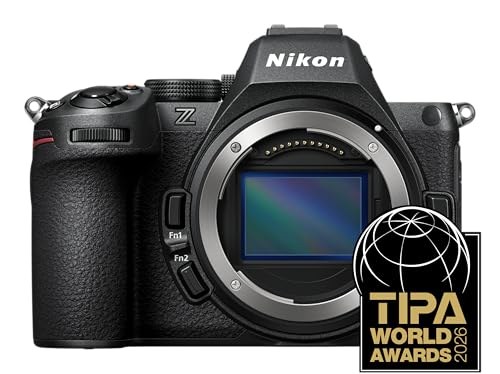
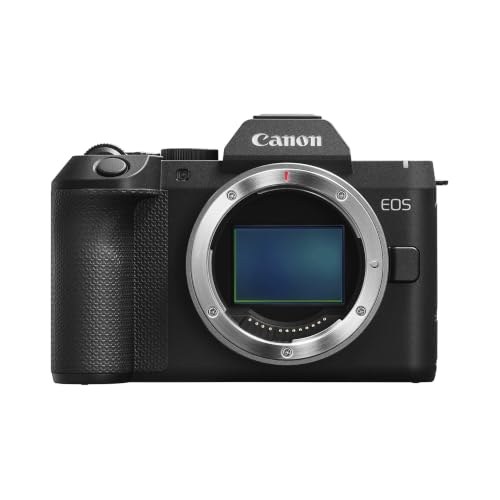
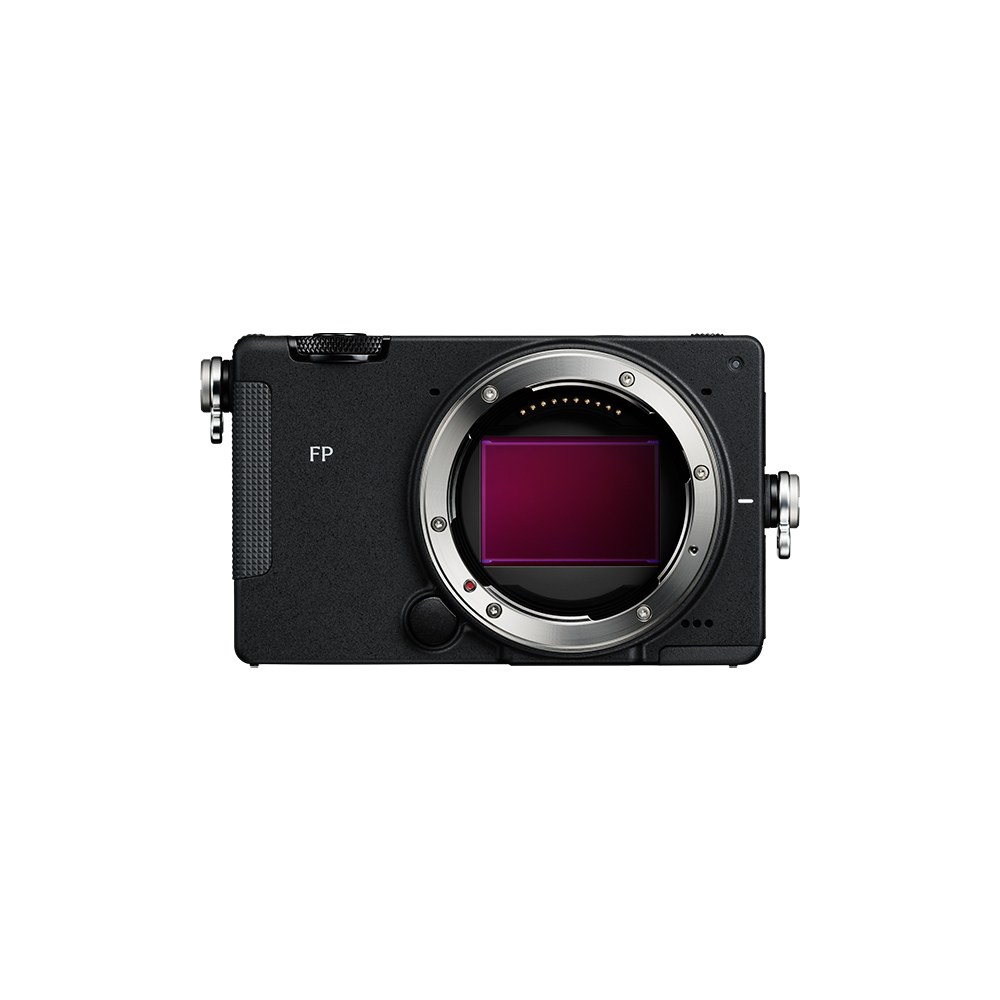
| Nikon Z5II | Canon EOS R8 Mark II | Sigma FP2 | |
|---|---|---|---|
| US body price | $1,699.95 SRP (street ~$1,599) | $1,899 | $2,199 |
| Sensor | 24.5MP BSI full-frame | 24.2MP full-frame | 24.5MP partially stacked full-frame |
| Stabilization | IBIS up to 7.5 stops (CIPA 2024) | 5-axis IBIS; lightest EOS with IBIS | EIS for video only (no IBIS for stills) |
| Burst | Up to 14 fps mechanical; 30 fps e-shutter JPEG | Up to 40 fps electronic + pre-continuous | Up to ~20 fps |
| Video headline | 4K/30 full-frame; 4K/60 with 1.5× crop; N-RAW | Uncropped 4K60; FHD 180p | 6K OpenGate; ProRes RAW options |
| Best for | Balanced first full-frame, low light, color recipes | Speed, tracking, hybrid stills/video travel kit | Pocket cinema / stills modular weirdos |
| Buy | Nikon Z5II body | Canon EOS R8 Mark II body | Sigma FP2 body |
Nikon Z5II — the friendly full-frame step
The Z5II is the camera we point at most phone photographers who want a normal upgrade path: EVF, dual SD cards, deep grip, and EXPEED 7 smarts without jumping to a pro body price. Nikon announced it at $1,699.95 body-only; kits with the 24-50mm or 24-200mm landed higher. Street pricing in the US has been hovering near $1,599 for the body.
- 24.5MP BSI CMOS, ISO 100–64,000 stills
- Subject detection for people, animals, birds, vehicles, and more; AF down to −10 EV
- 5-axis VR rated up to 7.5 stops at center (CIPA 2024)
- 14 fps mechanical (JPEG); electronic bursts up to 30 fps with Pre-Release Capture
- 4K UHD/30 oversampled full-frame; 4K/60 available with a 1.5× crop; in-camera N-RAW
- Picture Control button and Nikon Imaging Cloud recipes — great for phone shooters who love presets
Who it suits: someone leaving an iPhone or Pixel who wants a camera that feels helpful on day one — eye AF that sticks to kids, IBIS for evening walks, and color recipes that feel like Photographic Styles with more permanence.
Who should look elsewhere: if you need uncropped 4K60 as a default, or you want a pocket slab with cinema switches, keep reading.
Nikon Z5II body
Nikon Z5II with 24-120mm lens kit
Canon EOS R8 Mark II — light, fast, hybrid
Canon’s US announcement (Sept 15, 2026) pitched the EOS R8 Mark II as the lightest EOS body with in-body stabilization — about 1.2 lb / roughly 546 g class with battery personality depending on config — aimed at creators who want full-frame depth without a brick. US estimated retail is $1,899 body-only and $2,099 with the RF 24-50mm F4.5-6.3 IS STM. Japan’s sale date is Oct 29, 2026; Hong Kong’s launch day was Oct 21.
- 24.2MP full-frame CMOS, DIGIC X, standard ISO to 102,400
- 5-axis IBIS with coordinated control alongside lens IS
- Dual Pixel CMOS AF II with people / animal / vehicle detection and Register People Priority
- Up to 40 fps electronic shutter with optional pre-continuous stills
- Uncropped 6K-oversampled 4K 60p; Full HD 180p; Canon Log 3 in Custom Picture
- Beginner-friendly Creative Assist, SCN modes, and new film-tone color filters
Who it suits: phone upgraders who film as much as they shoot — travel vloggers, family documentary folks, and anyone who wants Canon’s RF lens roadmap with a body that disappears in a sling bag.
Who should look elsewhere: if you hate single-card workflows, or you want a modular cinema brick, the Sigma is stranger in a good way.
Canon EOS R8 Mark II body
Canon EOS R8 Mark II + RF 24-50mm kit
Sigma FP2 — smallest full-frame, biggest personality
Sigma’s FP2 (announced Oct 23, 2026) keeps the original fp idea — a tiny L-Mount full-frame slab — and finally modernizes it. US pricing starts at $2,199 body-only, with $2,749 bundles that add either the 50mm F2 DG Contemporary or the EVF-21 viewfinder. Ship date: Nov 11, 2026.
- World’s smallest full-frame body claim (Sigma, as of Oct 2026)
- 24.5MP partially stacked CMOS; up to ~20 fps stills
- Dedicated STILL / CINE switch with separate UIs
- 6K OpenGate recording; ProRes RAW support; up to 14.1 stops dynamic range in stated Log conditions
- Tilting LCD; optional USB-C EVF-21 (not built-in)
- ~376 g body-only class; 70GB internal storage plus SD and SSD options
- Electronic shutter only; EIS for video — no IBIS for stills
Who it suits: the phone shooter who already thinks in terms of monitors, cages, and color — or who wants a full-frame stills camera that truly pockets beside a phone. If you loved the idea of the original fp but bounced off rolling shutter or missing modern AF, this is the reconsideration.
Who should look elsewhere: if you need a built-in EVF and IBIS on day one with zero accessories, buy the Nikon or Canon first.
Sigma FP2 body
Sigma FP2 + EVF-21 bundle
Sigma FP2 + 50mm F2 bundle
How to choose in one minute
Lean Nikon Z5II if…
- You want the least intimidating first full-frame
- Low light walk-around and kids/pets AF matter most
- You like in-camera color recipes
Lean away from Z5II if…
- You need uncropped 4K60 as standard
- You want the absolute lightest hybrid with 40 fps tricks
Lean Canon R8 Mark II if…
- Stills and video share equal billing
- You want IBIS in a very light RF body
- Fast electronic bursts / pre-capture sound useful
Lean away from R8 Mark II if…
- You insist on dual card slots
- You want a pocket cinema modular system
Lean Sigma FP2 if…
- Pocketable full-frame is the dream
- 6K OpenGate / ProRes workflows excite you
- You are happy adding an EVF and building a kit
Lean away from FP2 if…
- You need IBIS for stills
- You want a conventional camera out of the box
Still unsure whether any of these beat the phone you already own? Start at our Phone or Camera? hub — it sorts the decision by situation, not by brand loyalty.